
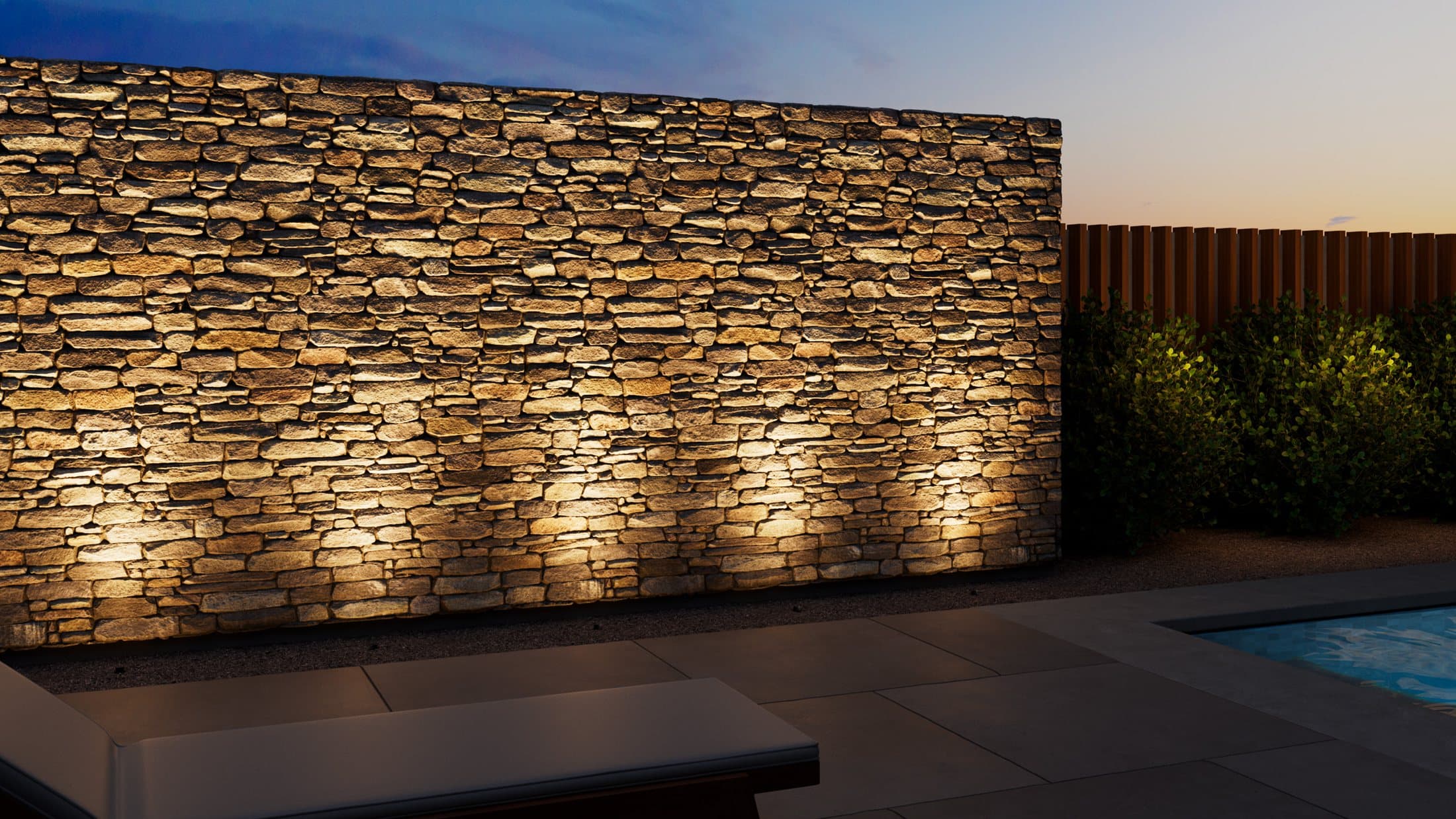
For landscape architects, contractors, architects and builders
Your landscape, lit the way you drew it.
We design the lighting with you, put the plan and the fixture table in your set, install it and aim it at night.
What we take on
You keep the landscape. We take the light.
- The lighting design. A scaled plan and fixture schedule, drawn over your landscape plan.
- The code. We read the city or county code and the HOA guidelines, and we build the fixture table with Kelvin and lumens that Park City and Summit County ask for.
- The fixtures. HK Luxury and Colorscaping, supplied by us.
- Wire and transformers. We lay out the low-voltage side and install it.
- The night work. We aim every fixture after dark and come back to re-aim as the planting fills in.
What we need from you
Three things, early
- The plans. The landscape and hardscape plans, and the planting schedule when it is ready.
- Sleeves before the pour. We mark where wire crosses walks, walls, steps and drives, while that is still easy.
- A place for power. A spot for each transformer and a circuit from your electrician.
When to bring us in
Three points in the project
Concept
We walk the site at dusk with you and settle what gets light and what stays dark. In Park City and Summit County, this is where the design takes its shape.
Before hardscape
We mark the sleeves and the transformer locations on the plan. This is the step that cannot wait.
After planting
Fixtures go in, and we aim them at night. The client sees it with you before we call it done.
The rules by area
What the code says before you specify
A planting plan that assumes lit trees does not survive a Park City review. Here is the short version, with the code cited.
| Area | Prohibited | Limits | Still open to design |
|---|---|---|---|
| Park CityLand Management Code 15-5-5(J) | Up-lighting, architectural lighting, landscape lighting, unshielded floods and spots, and light that moves. | 3,000K maximum. Fully shielded unless exempt. On ridge lines and steep slopes, floodlights are out and the code favors ground-level fixtures. | Path lights, which skip the shielding rule under 18 inches and under 300 lumens. Pool and water-feature light. Gas lights. String lights on decks, porches and patios. Seasonal lights November 1 to March 1, off by 11 p.m. |
| Snyderville BasinSummit County Code 10-4-21 | Landscape lighting meant to accent or draw attention. Architectural accent lighting. Up-lighting of buildings and structures. Light that moves. | 3,000K maximum. Full cutoff fixtures, with a narrow exemption under 1,000 lumens. 2,000 lumens per lamp and 20,000 lumens per residence. | Low voltage LED and solar path lights in residential areas, 18 inches or lower, aimed down. Holiday lights November 15 to March 1. |
| Eastern Summit CountySummit County Code 11-6-20 | Landscape lighting meant to accent or draw attention. Architectural accent lighting. Up-lighting of buildings and structures. Light that moves. | 3,000K maximum. Full cutoff fixtures, with a narrow exemption under 1,000 lumens. This covers the unincorporated county. | Low voltage and solar path lights, 18 inches or lower. Holiday lights November 15 to February 1. |
Cottonwood Heights
Prohibits up-lighting at homes and caps color at 3,000K. Light on a vertical surface must aim down. The code caps total lumens by the net acre.
Heber City
New buildings, homes included, must use full cutoff exterior lighting.
Midway
Adopted a stricter ordinance in 2022. On new construction, soffit lights go only directly above porches and decks.
Unincorporated Wasatch County
KPCW reported in December 2024 that the one rule for homes prohibits light trespass onto a neighbor.
The rest of the Wasatch Front
Rules change from city to city. We read the code for your address before we draw.
HOAs and design review
An HOA or a design review board can go further than the city. We read those guidelines too.
Our plain-language read of each code, November 2026. Codes change and the code text controls, so we check the current text for your address during design.
Dark Sky fixtures
The HK set for Park City and Summit County
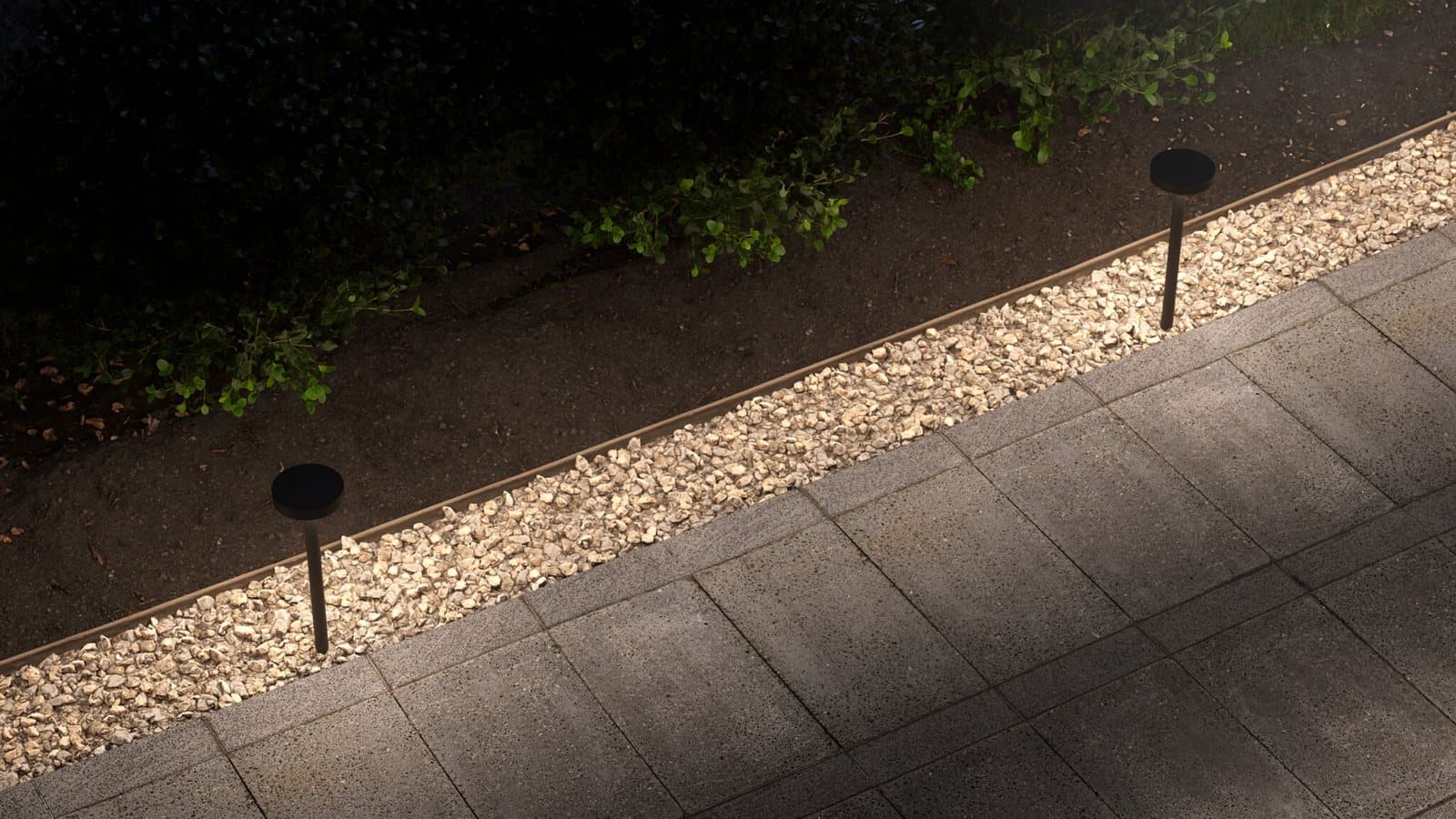
Path light
Radius
Smooth 360 degree light from a dark stem. Wider spacing means fewer fixtures on the path. Radius Solar needs no wire.
18 or 24 inches. 120 to 315 lumens. 2700K or 3000K. IP67.
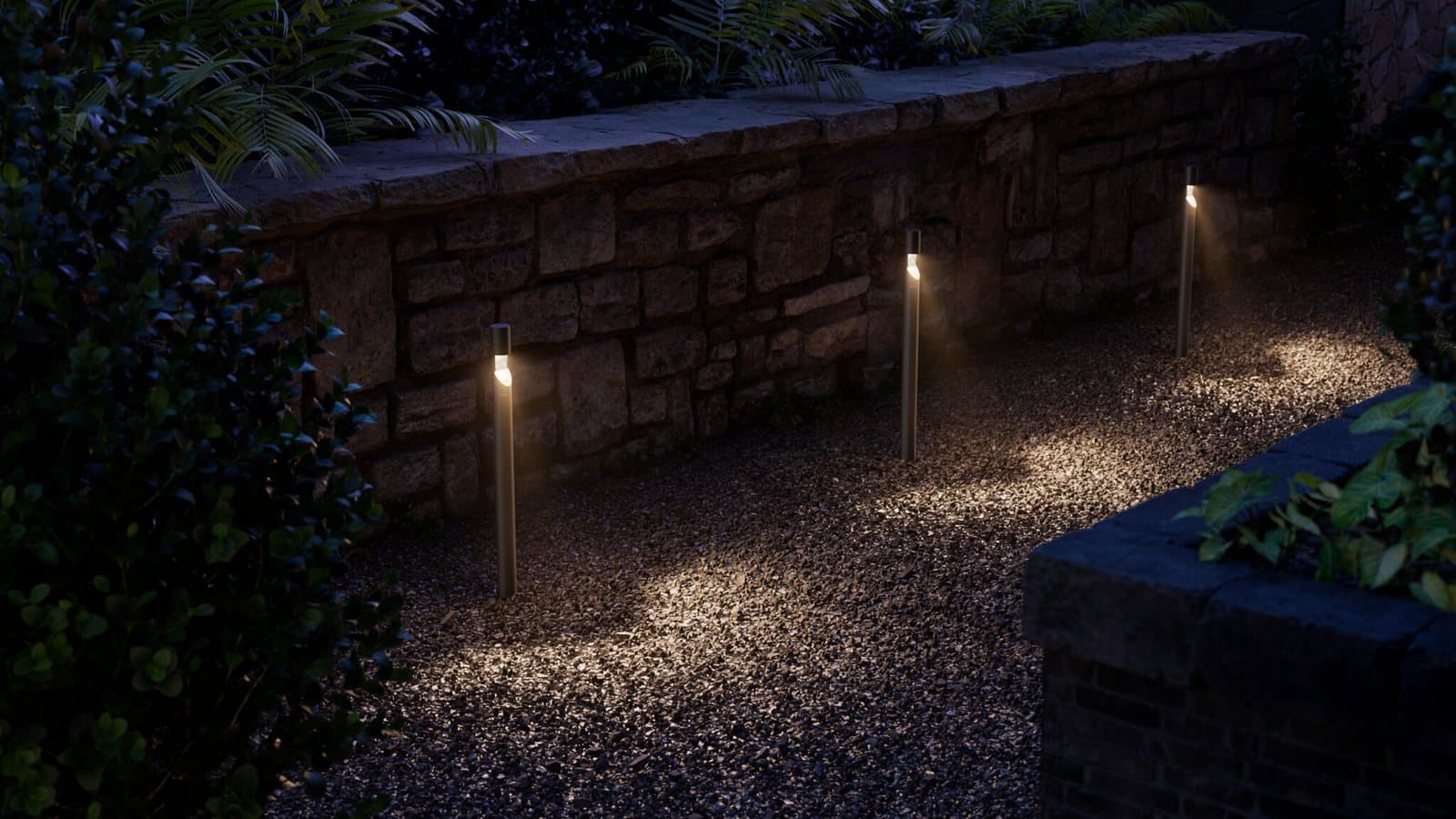
Mini path light
ARTOPLMB
A slim post that throws soft light to one side or to both. It suits narrow paths and low plantings.
18 inches. 50 lumens. 2700K or 3000K. IP67.
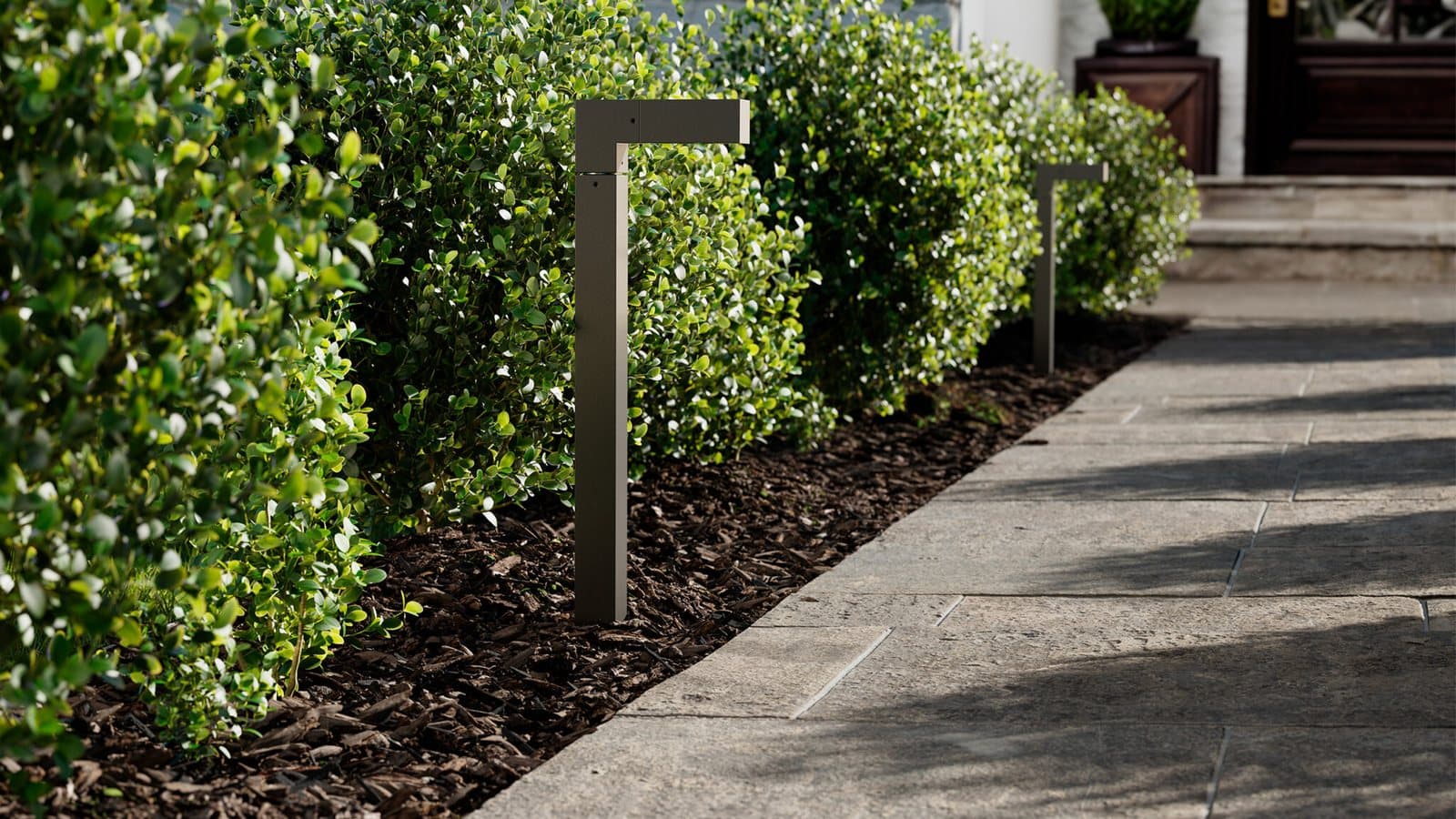
Low path light
ARTOPLLT
A 1-inch square post with a soft pool of light all the way around. At 12 inches it nearly disappears by day.
12 or 24 inches. 125 lumens. 2700K or 3000K. IP67.
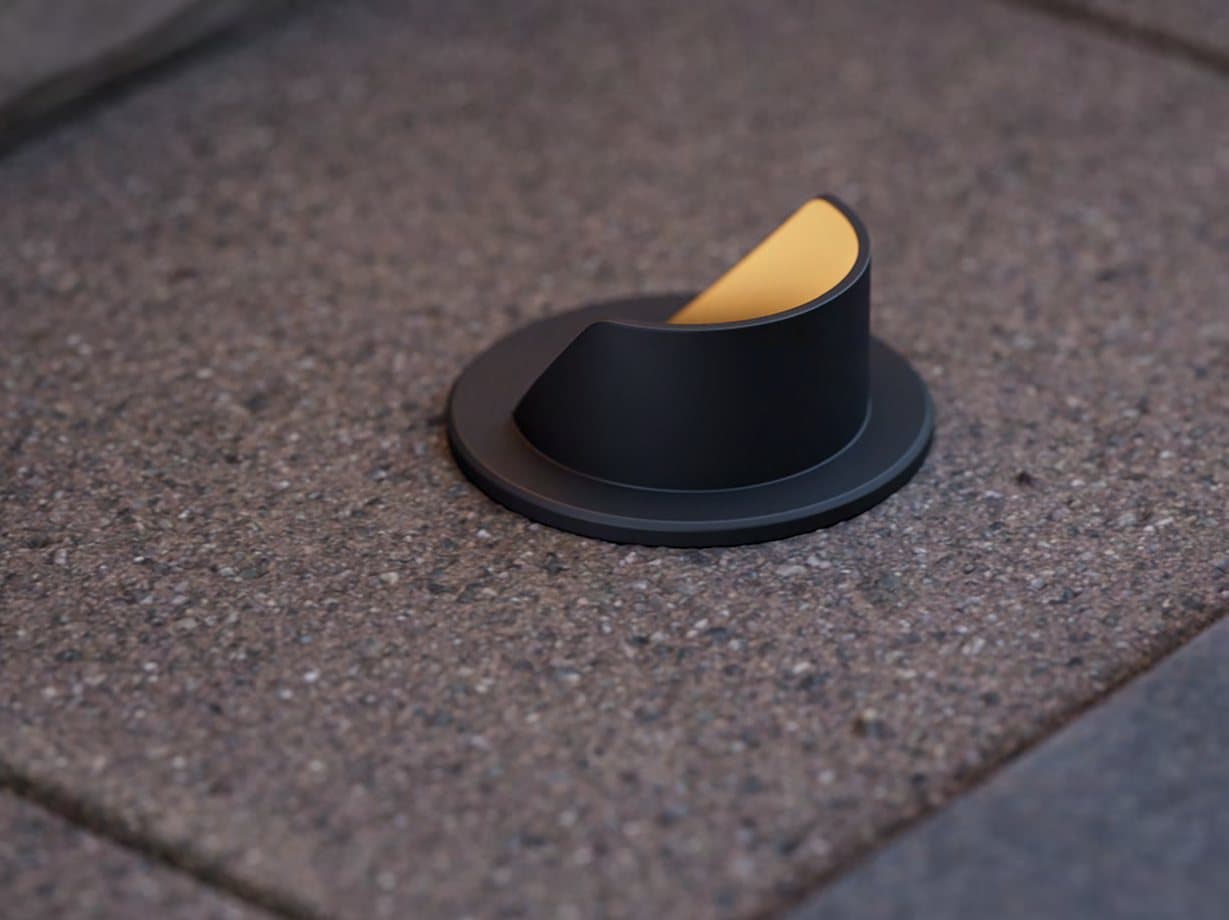
Step and in-grade light
1-inch Step and Marker
Solid brass, set flush in a step or a walk. HK lists the Top Cover 180, Top Cover 360 and Path/Wall Wash trims for Dark Sky use.
150 lumens. 2700K or 3000K. IP68.
When should a landscape architect bring you in?
At concept, if you can, and before hardscape at the latest. We walk the site at dusk with you, settle what gets light and mark the sleeves and transformer locations on your plan. In Park City and Summit County, an early call saves a planting plan that assumes lit trees.
Do you prepare the lighting plan for a permit?
Yes. Park City asks for plans showing fixture locations and types, and a table of fixtures with Kelvin, lumens per fixture and lamp type. Summit County asks for a matching plan and table in the Snyderville Basin. Our scaled plan and fixture schedule cover both.
Who does what between you and the landscape contractor?
We design the lighting, supply the fixtures, lay out the low-voltage wire and transformers, install them and aim at night. We mark sleeves for your crew to set before the pour, and your electrician brings a circuit to each transformer. We settle the details on each job at the walk.
Start a project
Send us the property
We come back with the code that applies, a time for the dusk walk and what we need from your plans.